Why is my basement flooding after heavy rain in Rathdrum?
Basement flooding after heavy rain in Rathdrum usually comes down to soil, slope, and drainage. Here is what causes it and how to stop it.
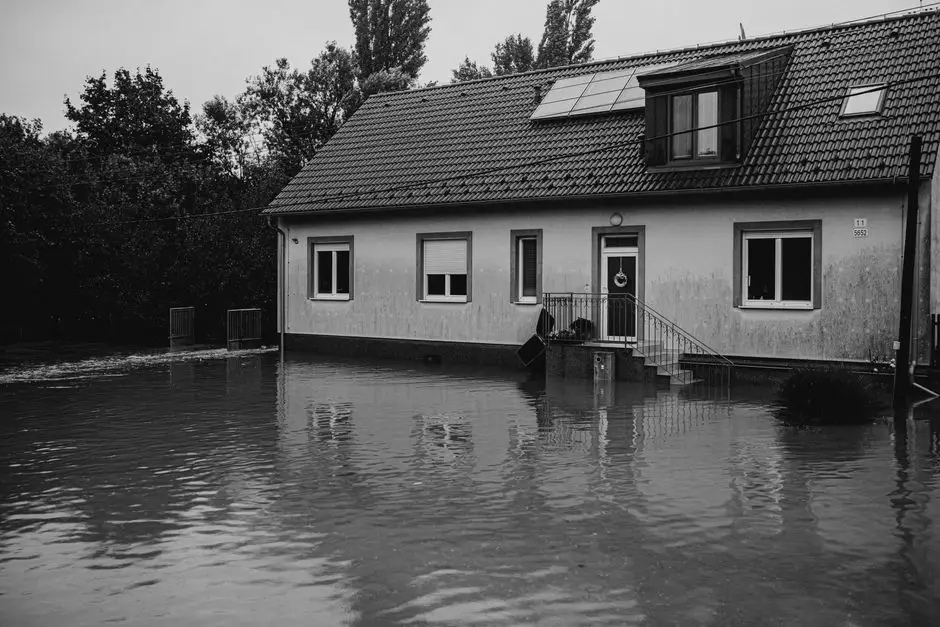
Your basement is flooding after heavy rain in Rathdrum because water is finding a path in - through the soil around your foundation, a failed sump pump, a clogged footing drain, or a crack in the wall. The rain itself is rarely the whole story. It is the trigger that exposes a drainage problem that was already there.
We have pumped out hundreds of basements across Rathdrum and the surrounding Kootenai County area, and the pattern is almost always the same: the ground saturates, the water table rises, and the path of least resistance leads into your home. This post breaks down the specific causes we see here, what to do in the first hour, and how to keep it from happening again.
The short answer: why heavy rain floods Rathdrum basements
Heavy rain floods Rathdrum basements when the ground can no longer absorb water fast enough and that water pressure pushes against your foundation. In our area, that happens more often in spring and early summer when snowmelt and rain stack up, and again in fall when the soil is already saturated from weeks of drizzle.
Rathdrum sits on a mix of glacial till, clay, and sandy loam. Clay-heavy soil holds water like a bowl. Once it is full, the water goes sideways and down - and if your foundation has any weakness, that is where it enters. A home that stayed dry for years can suddenly flood when the water table rises just a few inches above the basement floor level.
If you are dealing with this right now, the first step is to get the water out before it damages drywall, flooring, and framing. Our team handles Emergency Water Removal Rathdrum ID around the clock, and we can be on-site within the hour for most addresses in town.
Rathdrum's soil, slope, and stormwater problem
Rathdrum's soil, slope, and stormwater system create a specific set of basement water problems you will not see in every Idaho town. The city sits in a valley with hills to the north and east, and when rain hits those slopes, it moves downhill fast. If your home is on the low side of the street or near a natural drainage path, you are in the crosshairs.
Most of Rathdrum's housing stock was built between the 1970s and the 2000s. Homes from that era often have footing drains that were sized for a 10-year storm, not the 25-year events we have seen more of in the last decade. Those drains clog with roots and silt over 20 to 30 years, and when they fail, water pools around the foundation instead of draining away.
We also see a lot of homes with grading that has settled over time. A yard that once sloped away from the house at 6 inches over 10 feet might now be flat or even sloping back toward the foundation. That alone can turn a minor rain event into a flooded basement. If you are in an older neighborhood near the center of town, this is worth checking first.
For homeowners across the area, we offer Water Damage Restoration Rathdrum ID with upfront pricing and no hidden fees. We know the local soil, the local codes, and the local weather patterns.
Common causes of basement flooding in Rathdrum Idaho
Common causes of basement flooding in Rathdrum Idaho break down into four categories: water coming through the walls or floor, water backing up from the drains, water from a failed sump system, and water from above. Here is what we see most often.
1. Hydrostatic pressure through cracks and pores
Concrete is porous. When the soil around your foundation is saturated, water pushes through hairline cracks, the cove joint where the wall meets the floor, and even the concrete itself. You might see a damp spot, a white powdery deposit (efflorescence), or a steady trickle during a storm. This is the most common cause we find in Rathdrum.
2. Sump pump failure or undersized capacity
A sump pump that runs constantly during a storm can burn out, trip a breaker, or simply not keep up. We see a lot of 1/3-horsepower pumps in older homes that cannot handle the volume from a 2-inch rain event. If your pump is more than 7 to 10 years old, it is on borrowed time.
3. Clogged or collapsed footing drains
Footing drains - also called perimeter drains - collect water from around the foundation and carry it away. When they clog with roots or silt, water has nowhere to go but inside. A camera inspection can tell you if yours is still flowing.
4. Sewer or storm line backup
During heavy rain, the municipal storm system can surcharge, and water can back up through your floor drain or sewer line. This is different from groundwater flooding and requires a different response - including Sewage Backup Cleanup Rathdrum ID if the backup contains waste.
5. Roof and surface water
Clogged gutters, short downspouts, and poor grading send roof water straight to your foundation. A single 2,000-square-foot roof can shed over 1,200 gallons from a 1-inch rain. If that water dumps within 3 feet of your foundation, you are asking for trouble.
Why does my basement flood after heavy rain in Rathdrum ID?
Your basement floods after heavy rain in Rathdrum ID because the water table rises above your basement floor and the drainage systems that should carry water away are overwhelmed or blocked. It is a pressure problem, not a mystery.
Think of your foundation as a boat sitting in the ground. When the soil around it is dry, there is no pressure. When it is saturated, the water exerts roughly 62 pounds of pressure per square foot for every foot of depth. On an 8-foot basement wall, that is nearly 500 pounds per square foot pushing against the concrete. Any weakness - a crack, a tie-rod hole, a cold joint - becomes an entry point.
We also see a lot of homes in Rathdrum where the basement floor drain is connected to the storm sewer. When the city system is full, water can actually flow backward into your basement. A backwater valve on that line prevents it, and it is one of the cheapest fixes you can make.
If you are not sure where the water is coming from, our Water Damage Assessment and Inspection Rathdrum ID service uses moisture meters and thermal imaging to trace the source before we recommend any repair.
What to do when your basement floods Rathdrum
When your basement floods in Rathdrum, the first hour matters more than the next three days. Mold can begin growing on wet drywall and framing within 24 to 48 hours, and standing water wicks up walls faster than most people expect.
Here is the order we recommend:
- Safety first. Do not wade into standing water if you can avoid it. There may be live electrical outlets, a sump pump running, or sewage contamination. If you smell gas or see sparks, leave the house and call 911.
- Shut off power to the basement at the breaker panel - only if you can reach it without stepping in water.
- Stop the water source if you can. If it is a burst pipe, shut off the main. If it is groundwater, there is nothing to shut off - it will recede when the rain stops.
- Document everything. Take photos and video of the water line, damaged items, and the source. Your insurance adjuster will want them.
- Call for professional extraction. A shop vac will not keep up with a flooded basement. We use truck-mounted and portable extraction units that pull hundreds of gallons per hour.
We handle Basement Water Extraction Rathdrum ID with a focus on getting the water out fast and then drying the structure so mold does not take hold. If your carpet is soaked, we can often save it with Carpet Water Extraction Rathdrum ID - but the clock is ticking.
How to stop basement flooding after heavy rain Rathdrum
You can stop basement flooding after heavy rain in Rathdrum by managing water before it reaches your foundation. The fixes range from free (cleaning gutters) to a few thousand dollars (interior drainage system), and most homeowners need a combination.
Start with the cheap stuff:
- Clean your gutters twice a year - spring and fall. Clogged gutters are the number one cause of avoidable foundation water.
- Extend downspouts 6 to 10 feet from the foundation. If they dump within 3 feet, you are recycling water into your basement.
- Check your grading. You want at least 6 inches of fall over the first 10 feet away from the house. Add compacted clay soil if it has settled.
- Test your sump pump. Pour a bucket of water into the pit and watch it kick on. If it does not, replace it before the next storm.
- Install a backwater valve on your floor drain or sewer line if you do not have one.
If those do not solve it, the next step is a professional drainage solution. We install and repair Sump Pump Installation and Repair Rathdrum ID and can also recommend Waterproofing Services Rathdrum ID like interior weeping tile and vapor barriers. These are not cheap - expect $3,000 to $8,000 for a full interior system in 2026 - but they are permanent fixes.
For homes with crawl spaces instead of basements, the same logic applies. We handle Crawl Space Water Removal Rathdrum ID and can encapsulate the space to keep it dry year-round.
Common mistakes homeowners make
The biggest mistake we see is waiting too long to call. Homeowners often assume the water will drain on its own, or they try to dry it with fans and a dehumidifier from the hardware store. That works for a small spill, not a flooded basement.
Other mistakes:
- Not documenting the damage before cleanup. Your insurance claim needs evidence. Take photos before you move anything.
- Throwing away wet items too soon. Many things - documents, photos, electronics - can be restored with professional drying. We offer Document Drying and Restoration Rathdrum ID for exactly this reason.
- Ignoring the smell. A musty odor after a flood means mold is already growing. We provide Mold Remediation Rathdrum ID to handle it safely.
- Assuming insurance will cover everything. Standard homeowners policies often exclude groundwater flooding. You may need a separate flood policy through the NFIP.
- Not fixing the cause. If you pump out the water but do not address the drainage, it will happen again next storm.
When to call a professional
Call a professional when the water is more than an inch deep, when it covers more than a small area, or when it has been standing for more than a few hours. Those are the conditions where DIY drying fails and mold takes over.
You should also call us if the water is contaminated (sewage backup), if you see mold growth, or if your insurance claim needs documentation. Our team at Rathdrum Water Damage Pros handles the extraction, drying, and repairs - and we work directly with your adjuster to make the process smoother.
We use Structural Drying Rathdrum ID equipment that pulls moisture out of framing, drywall, and subfloor. A typical basement takes 3 to 5 days to dry completely, and we monitor it daily until the readings are back to normal.
Frequently Asked Questions
Why does my basement flood after heavy rain in Rathdrum ID?
Your basement floods because saturated soil pushes water against your foundation, and it enters through cracks, the cove joint, or a failed sump pump. Rathdrum's clay-heavy soil and valley topography make this common. The fix is usually a combination of grading, drainage, and waterproofing.
How can I prevent basement flooding in Rathdrum Idaho?
Clean gutters twice a year, extend downspouts 6 to 10 feet, regrade your yard to slope away from the house, test your sump pump before storm season, and install a backwater valve. For recurring problems, an interior drainage system costs $3,000 to $8,000 in 2026 and solves it permanently.
Who do I call for basement flooding in Rathdrum?
Call Rathdrum Water Damage Pros at 208-839-0055. We handle emergency water removal, basement extraction, structural drying, and mold remediation. We are local, we know the area's soil and weather, and we work with your insurance company.
Does homeowners insurance cover basement flooding in Rathdrum?
Standard homeowners insurance usually covers sudden pipe bursts and appliance leaks, but not groundwater flooding from heavy rain. You typically need a separate flood policy through the NFIP or a private insurer. We help document your claim either way.
How long does it take to dry a flooded basement?
Most basements take 3 to 5 days to dry with professional equipment. That timeline depends on the water category, the materials affected, and how quickly extraction starts. We monitor moisture daily and do not stop until readings are normal.
Get help with Water Damage Restoration in Rathdrum
If your basement is wet right now, do not wait. The longer water sits, the more it costs to fix. Call Rathdrum Water Damage Pros at 208-839-0055 and we will get a crew to your door fast.